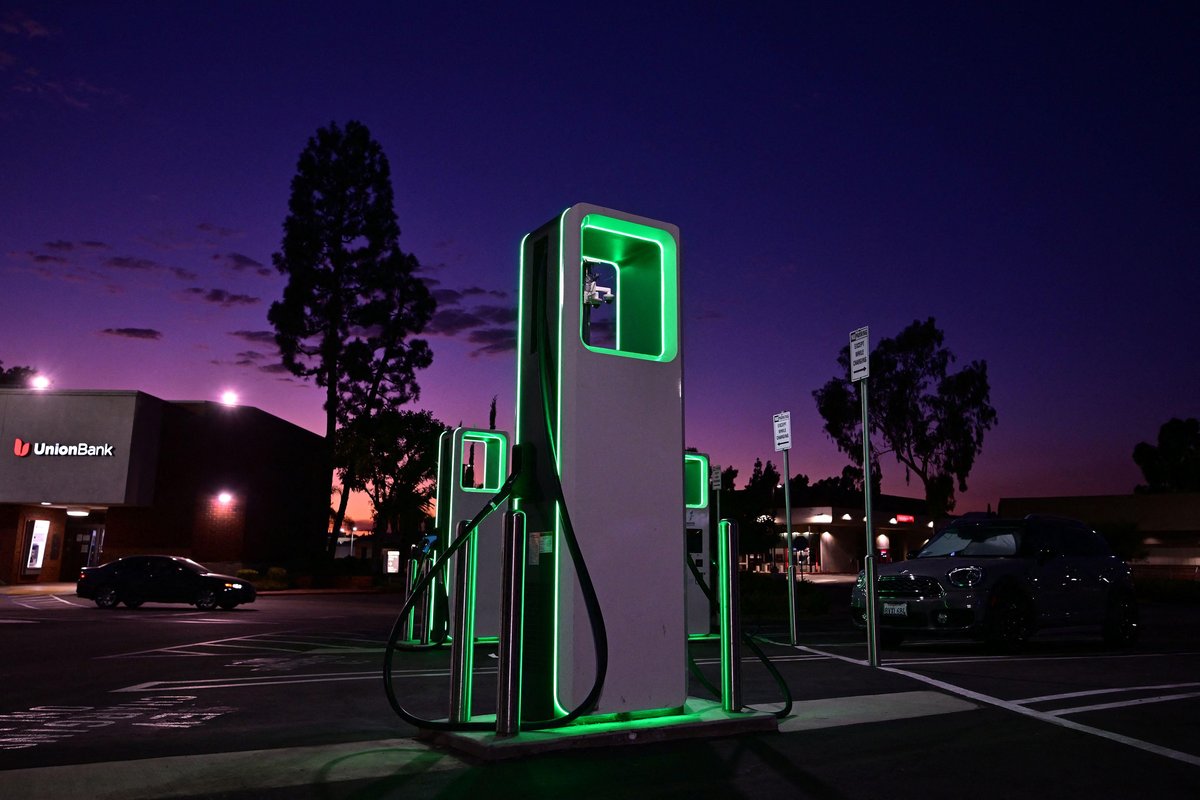
The rumble of gasoline engines is slowly, yet surely, fading into a quieter hum across our streets. Electric vehicles (EVs) are no longer a niche curiosity; they're a rapidly growing reality. For communities, this shift brings immense opportunities – cleaner air, economic development, and a leap into a sustainable future. But it also presents a significant challenge: how do we build the vital arteries that will fuel these vehicles? We're talking about Charging Infrastructure & Practicality, and for community leaders, planners, and concerned citizens, understanding this is the key to unlocking the EV revolution at home.
This isn't just about plugging in a car; it's about strategic planning, community engagement, smart investment, and navigating a landscape of policies and technologies. It's about ensuring your community isn't left behind as the world electrifies.
At a Glance: Building Your Community's EV Charging Network
- Start with a Plan: Don't guess. Assess your community's unique needs, set clear goals, and establish a timeline.
- Engage Everyone: Involve residents, businesses, and stakeholders early and often to ensure buy-in and effective placement.
- Site Smart: Prioritize locations that offer visibility, accessibility, and integrate into daily life for maximum impact.
- Understand the Money: Factor in all costs – installation, maintenance, operation – and actively pursue federal, state, and local funding opportunities.
- Streamline Regulations: Review and update local zoning, permitting, and building codes to remove roadblocks for charging installation.
- Choose the Right Model: Decide on ownership, procurement, and operational strategies that fit your community's resources and goals.
- Plan for Sustainability: Develop revenue and fee structures that support ongoing operations and future expansion.
The Unseen Backbone: Why Community Charging Matters So Much
Electric vehicles are transformative, but their promise hinges entirely on reliable charging access. While many EV owners can charge at home, a robust public charging network is essential for several critical reasons:
- Equity and Access: Not everyone has a garage or dedicated parking for home charging. Renters, apartment dwellers, and those without off-street parking rely on public infrastructure. Without it, EVs remain inaccessible to a significant portion of the population, hindering adoption and exacerbating existing inequalities.
- Range Confidence: Drivers need to know they can travel freely without fear of running out of power. A visible, dependable network alleviates "range anxiety" and encourages more people to consider an EV. (If you're still weighing the pros and cons, consider asking Should you buy an electric car?).
- Economic Vitality: Charging stations attract EV drivers, who often spend money at nearby businesses while they wait. This boosts local commerce, creating new economic opportunities and supporting tourism.
- Environmental Goals: Widespread EV adoption directly contributes to cleaner air, reduced greenhouse gas emissions, and improved public health outcomes for your community.
- Future-Proofing: Investing in charging infrastructure now positions your community as forward-thinking, resilient, and ready for the future of transportation. It's an investment in tomorrow's mobility.
Ignoring charging infrastructure isn't an option; it's a bottleneck that can stall your community's progress toward a sustainable, connected future.
Building Your EV Blueprint: Starting with a Solid Plan
You wouldn't build a house without a blueprint, and EV infrastructure is no different. Haphazard charger placement wastes resources and falls short of community needs. A strategic plan is your foundation.
Laying the Groundwork: Initiating Your EV Infrastructure Plan
Starting an EV infrastructure plan might seem daunting, but it boils down to understanding your starting line and charting a course. Think of it as developing an "EV readiness plan."
- Form Your Core Team: Who are the key stakeholders? Representatives from local government, planning departments, public works, utilities, and community groups. This diverse input is crucial.
- Ask the Right Questions: What are your community's transportation patterns? How many EVs are currently registered? What are the projected growth rates? Where do people live, work, and play?
- Conduct a Baseline Assessment: This is your data-driven reality check.
- Current EV Landscape: Count existing public and private chargers. Map them.
- Fleet Assessment: How many municipal vehicles could electrify? What about local businesses?
- Demographic Analysis: Understand where residents live, typical commute distances, and access to home charging.
- Charger Needs Estimation: Based on current EV numbers, growth projections, and population density, how many chargers (and of what type) will your community need by 2030, 2035, and beyond? Resources like the "Public Electric Vehicle (EV) Charging Infrastructure Playbook" offer worksheets to guide this estimation.
- Define Goals and Timeline: What do you want to achieve (e.g., "X chargers by 20XX," "EV charging within a 5-minute drive of every resident")? Set realistic milestones and a clear timeline for implementation.
Bringing Everyone to the Table: Engaging Your Community
Infrastructure projects, especially new ones, thrive on community buy-in. Effective engagement isn't just a box to tick; it's how you gather crucial input, build trust, and ensure the infrastructure truly serves the people it's meant for.
- Identify Impacted Parties: Beyond EV drivers, think about local businesses, apartment complexes, public transit users, environmental groups, and residents in potential charging site areas.
- Tailor Your Approach:
- Public Meetings: Open forums for broad input.
- Surveys & Polls: Gather quantitative data on preferences and perceived needs.
- Focus Groups: Dive deeper into specific concerns or ideas from key demographics.
- Workshops: Collaborate on potential site identification or policy ideas.
- Digital Engagement: Use social media, community websites, and online mapping tools.
- Listen Actively: Pay attention to concerns about noise, aesthetics, safety, and accessibility. Address misconceptions directly and transparently. Your goal is to integrate community feedback into deployment strategies, not just present a finished plan.
From Vision to Reality: Deployment Strategies & Site Selection
Once you have a plan and community input, the next step is deciding where and how to deploy your charging infrastructure. This isn't just about picking an empty parking spot; it's a strategic decision that impacts usability, visibility, and long-term success.
Where Do Chargers Make the Most Impact?
Effective deployment means placing chargers where they're most needed and most convenient. This often involves a mix of public and private property, and different types of chargers.
- Strategic Site Assessment: Evaluate potential locations based on several factors:
- Accessibility: Is it easy for drivers to get in and out? Is it ADA compliant?
- Visibility: Can drivers easily see the station? Good signage is key.
- Demand: Is it near high-traffic areas, residential zones without home charging, popular destinations (parks, libraries, shopping centers), or major transportation corridors?
- Grid Capacity: Can the existing electrical infrastructure support the chargers without costly upgrades? (A crucial early check with your utility!)
- Safety & Security: Well-lit areas, visible to the public.
- Amenities: Are there restrooms, food, or other services nearby where drivers can wait? This is particularly important for faster charging.
- Future Expansion: Is there room to add more chargers later?
- Land Use: Align with existing zoning and urban planning goals.
- Prioritizing Potential Sites: Use a scoring matrix or similar tool from your planning playbook to objectively rank sites based on your community's specific criteria. Consider pilot projects in high-priority areas to gather real-world data before a wider rollout.
Charger Types: Level 2 vs. DC Fast Chargers – When to Use What
Understanding the different charging speeds is fundamental to effective deployment.
- Level 2 (L2) Chargers:
- Power: 240V AC, delivering 7-19 kW.
- Charging Speed: Adds about 15-30 miles of range per hour.
- Best Use Cases: Ideal for "destination" charging where cars are parked for several hours. Think workplaces, apartment complexes, public libraries, community centers, parks, or overnight parking. They're also great for areas where a driver will be shopping or dining for an hour or two.
- Cost: Significantly less expensive to install and operate than DC Fast Chargers.
- Infrastructure Impact: Lower load on the grid.
- DC Fast Chargers (DCFC), also known as Level 3:
- Power: 480V+ DC, delivering 50-350+ kW.
- Charging Speed: Can add 80% charge in 20-60 minutes, depending on the car and charger power.
- Best Use Cases: Essential for "en route" charging, highway corridors, major travel routes, and areas where drivers need to quickly top up and continue their journey. They're also useful in urban hubs with high turnover where drivers need rapid access.
- Cost: Much higher installation and operational costs due to complex power electronics and significant grid upgrades often required.
- Infrastructure Impact: High demand on the local grid.
A balanced network typically includes a mix of L2 and DCFC chargers, strategically placed to meet different driver needs across your community.
The Price Tag & The Payoff: Costs and Funding Your Network
Building out EV charging infrastructure is an investment. Understanding the full scope of costs and diligently pursuing funding opportunities are critical for success.
Understanding the Investment: Beyond the Charger Itself
The cost of a charger unit is just one piece of the puzzle. You need to budget for the entire lifecycle:
- Hardware Costs: The actual charging stations (L2 units are cheaper than DCFC).
- Installation Costs: This is often the most significant variable. It includes:
- Electrical Infrastructure Upgrades: Trenching, new transformers, conduit, wiring. This can be substantial, especially for DCFC.
- Site Preparation: Pavement work, bollards, lighting, signage, ADA compliance.
- Permitting & Inspection Fees: Local regulatory costs.
- Software & Network Fees: Most public chargers operate on a network, which involves recurring fees for payment processing, remote monitoring, and maintenance diagnostics.
- Operations & Maintenance (O&M):
- Utilities: The cost of electricity consumed by the chargers.
- Routine Maintenance: Cleaning, checking cables, software updates.
- Repair & Replacement: Fixing broken units, replacing worn parts.
- Customer Support: Handling driver issues.
- Marketing & Outreach: Promoting the new stations to your community.
The "Playbook" emphasizes careful cost estimation by considering charger type, quantity, and the specific site conditions. Don't underestimate the "soft costs" like planning, administration, and public engagement.
Unlocking the Funding Tap: Securing Resources for Your Network
Fortunately, there's a growing wave of financial support for EV charging infrastructure.
- Federal Programs:
- National Electric Vehicle Infrastructure (NEVI) Formula Program: A cornerstone federal initiative providing significant funding to states to build out a national EV charging network, particularly along designated alternative fuel corridors. Communities can often access these funds through their state's transportation or energy agencies. NEVI has specific requirements for charger power, uptime, payment methods, and location (e.g., within one mile of interstates).
- Department of Energy (DOE) Grants: Various programs through the DOE target specific EV-related initiatives, including charging infrastructure.
- EPA Grants: Environmental Protection Agency grants may support projects with significant air quality benefits.
- State Programs: Many states offer their own EV infrastructure grants, rebates, or tax incentives. These often complement federal programs or fill gaps. Check with your state's Department of Transportation, Energy Office, or environmental agencies.
- Utility Incentives: Local electric utilities are often key partners. Many offer rebate programs for charger installation, lower electricity rates for EV charging, or even direct ownership and operation of public charging stations as part of their clean energy goals. Engage your local utility early in the planning process.
- Private Partnerships: Collaborate with businesses, property owners, or charging network operators who may be willing to invest or co-invest in infrastructure in exchange for revenue sharing or increased customer traffic.
Navigating funding sources requires diligence. Pay close attention to application deadlines, eligibility requirements, cost-share options, and any specific mandates (like "Buy America" provisions for federal funds). The "Playbook" includes guiding questions to help communities identify and apply for these critical resources.
Clearing the Path: Policies, Permits, and Practical Regulations
Even with funding, bureaucratic hurdles can slow down or derail your EV charging project. Proactive policy adjustments and streamlined processes are essential.
Creating an EV-Friendly Ecosystem: State and Local Policies
Governments at all levels can actively facilitate EV adoption and infrastructure deployment through smart policies.
- Align with Broader Goals: Ensure your local EV policies align with state EV plans, climate goals, and utility clean energy targets. This creates a cohesive, supportive environment.
- Streamline Approvals: Are there existing policies that accidentally hinder EV charging? For instance, some communities have minimum parking requirements that don't account for charging, or outdated electrical codes.
- Incentivize Private Investment: Can your community offer local tax breaks, expedited permitting, or technical assistance to businesses or property owners who install chargers?
- EV-Ready Building Codes: Mandate or encourage new construction to include EV-ready wiring (conduit and panel capacity) in parking areas, making future charger installation much cheaper and easier.
- Public Fleet Electrification: Lead by example. Transitioning municipal fleets to EVs creates demand for charging and demonstrates commitment.
The "Playbook's" "Contextual Policy Scan Worksheet" is an excellent tool for reviewing existing policies and identifying areas for improvement or new policy development.
Navigating Local Bureaucracy: Zoning, Permitting, and Codes
These local regulations can be make-or-break for a charging project. Proactive review and updates are critical.
- Zoning Ordinances:
- Do your zoning codes classify EV charging appropriately? (e.g., as an accessory use, or a primary use in specific zones).
- Are there restrictions on the number, location, or appearance of charging stations?
- Do parking minimums need to be adjusted to include EV-dedicated spaces? Consider allowing shared parking to reduce overall requirements.
- Permitting Processes:
- How long does it take to get a permit for an EV charger? Can this be expedited?
- Is there a clear, single point of contact for EV charging permits?
- Are permit application forms EV-specific, or do they force charging into general electrical or construction categories?
- Can inspections be consolidated or made more efficient?
- Building Codes:
- Are your electrical codes up-to-date with current EV charging technology and safety standards?
- Do they allow for flexible conduit routing and panel upgrades often needed for EV charging?
- Consider adopting "EV-ready" or "EV-capable" requirements for new residential and commercial construction.
The "Permitting and Codes Memo Template" from the "Playbook" can help organize your research to identify specific opportunities to update these regulations, making your community truly EV-friendly and speeding up deployment.
Who Owns What? Procurement, Ownership, and Operations Models
Deciding how your charging infrastructure will be acquired, managed, and maintained is as crucial as deciding where to put it. There's no one-size-fits-all solution; the best model depends on your community's resources, risk tolerance, and goals.
Deciding Your Approach: Ownership Structures
- Public Ownership (Community-Owned):
- Pros: Full control over pricing, access, and features; potential for direct revenue; aligns directly with public service goals.
- Cons: Requires direct investment of public funds; responsibility for ongoing operations, maintenance, and customer support.
- Best for: Communities prioritizing public access and control, with dedicated staff or resources for management.
- Private Ownership (Third-Party):
- Pros: Shifts financial burden and operational responsibility to a private entity; leverages private sector expertise and investment.
- Cons: Less control over pricing, branding, and service quality; revenue-sharing agreements can be complex.
- Best for: Communities seeking rapid deployment with minimal public investment, partnering with experienced charging network operators.
- Public-Private Partnerships (P3s):
- Pros: Blends public control with private efficiency and capital; risk and responsibilities are shared.
- Cons: Requires careful negotiation of contracts and clear definition of roles; can be more complex to set up.
- Best for: Many communities find P3s offer a balanced approach, allowing the public sector to guide goals while leveraging private sector operational expertise.
Key considerations for any ownership structure include: projected needs for Level 2 and DC fast chargers (e.g., by 2030 and 2035), site prioritization (which sites are public, which are private), and how each model impacts future scalability.
Smart Procurement: Building a Robust Network
Once you've chosen an ownership model, procurement strategies come into play. For public entities, this often means issuing a Request for Proposals (RFP).
- Crafting an Effective RFP: Your RFP should clearly articulate your community's vision, objectives, and requirements. Include:
- Scope of Work: Number and type of chargers, desired locations, installation specifics.
- Operational Requirements: Uptime guarantees, network services, customer support, data reporting.
- Pricing Structure: How will costs be broken down? How will revenue be shared (if applicable)?
- Experience & Qualifications: What is the vendor's track record?
- Maintenance & Warranty: Long-term support plans.
- Equity Considerations: How will the proposal address equitable access and community benefit?
- Evaluating Proposals: Beyond cost, assess proposals on their technical merit, operational plan, customer service approach, and alignment with your community's long-term goals. The "Playbook" offers a questionnaire to help structure your RFP and evaluate responses.
Making it Sustainable: Revenue and Fee Structures
Public charging infrastructure must be financially sustainable. This involves careful consideration of fees and potential revenue streams to recover costs and fund future expansion.
Balancing Access and Viability
The goal is to provide accessible charging without becoming a perpetual drain on public coffers.
- Cost Recovery: Fees should ideally cover installation, ongoing maintenance, and operational costs (including electricity). This prevents the infrastructure from falling into disrepair or requiring constant subsidies.
- Fee Structure Options:
- Per-kWh: Charge based on the amount of electricity consumed. This is generally preferred as it's directly tied to energy usage, but some states prohibit reselling electricity by non-utilities.
- Per-Minute: Charge based on the duration of the charging session. Can incentivize drivers to move their cars promptly, but penalizes slower-charging vehicles.
- Per-Session/Flat Fee: A fixed price per plug-in. Simple, but can be inequitable for those who only need a short top-up.
- Subscription Models: Offer discounted rates to frequent users for a monthly fee.
- Blended Rates: A combination of the above (e.g., per-kWh with an idle fee).
- Defining Ownership and Operation Roles: The chosen ownership model heavily influences revenue generation.
- Publicly Owned: Your community sets the rates and collects revenue directly. This revenue can be reinvested.
- Privately Owned: The private operator sets rates and collects revenue, potentially paying a site host fee or revenue share to the community.
- P3s: Revenue sharing agreements are critical, defining how profits are distributed.
- Site Selection and Usage: Revenue potential is highly dependent on usage. High-traffic, desirable sites will naturally generate more income. Your initial site selection based on anticipated usage will directly impact financial viability.
- Dynamic Pricing: Consider adjusting rates based on time of day (peak vs. off-peak electricity rates) or demand, similar to parking meters.
Transparent communication about fee structures is crucial for public acceptance. Clearly explain how fees are calculated and how the revenue will be used to maintain and expand the network.
Common Roadblocks & How to Overcome Them
No major infrastructure project is without its challenges. Here are a few common hurdles in EV charging and strategies to navigate them.
- Grid Capacity Concerns:
- Misconception: Many believe the grid can't handle widespread EV charging.
- Reality: The grid is dynamic. While DCFC can draw significant power, most charging happens at Level 2, often overnight when demand is lower. Smart charging technology (load management, demand response) can distribute charging over time, minimizing grid impact.
- Solution: Engage your local utility early. They can assess grid readiness, identify necessary upgrades, and offer programs to manage demand. Planning for future upgrades proactively is more cost-effective.
- "Not in My Backyard" (NIMBY) Attitudes:
- Problem: Residents might oppose chargers due to perceived noise, aesthetics, traffic, or safety concerns.
- Solution: Emphasize community benefits (cleaner air, economic development). Involve residents early in site selection and design. Address specific concerns with facts and compromise where possible (e.g., better lighting, landscaping, noise mitigation). Highlight that EV charging is a quiet operation.
- Technology Obsolescence Fears:
- Concern: "Will the chargers I install today be obsolete tomorrow?"
- Reality: While technology evolves, core charging standards (J1772 for L2, CCS/NACS for DCFC) are robust. Chargers are designed to be upgradeable via software.
- Solution: Invest in reputable, future-proof hardware from established vendors. Opt for networked chargers that can receive over-the-air updates. Focus on modular designs that allow for component upgrades. Remember, the core electrical infrastructure (conduit, wiring) has a very long lifespan.
- Underutilization:
- Problem: Installing chargers only to see them sit idle.
- Solution: Thorough needs assessment and strategic site selection are paramount. Promote your new charging stations vigorously. Integrate them into existing navigation apps (like PlugShare) and community communication channels. Offer introductory promotions or free charging periods to encourage adoption.
Your Community's Next Steps on the EV Journey
The path to a robust, practical EV charging network is a marathon, not a sprint. It requires deliberate action, collaboration, and a willingness to adapt. The journey begins with a single, crucial step: engagement and planning.
Don't wait for EV adoption to reach a critical mass; be proactive in building the infrastructure that will accelerate it. Start by convening your stakeholders, diving into your community's unique needs, and leveraging the wealth of resources available – like the "Public Electric Vehicle (EV) Charging Infrastructure Playbook" and your local utility partners.
By approaching Charging Infrastructure & Practicality with a strategic mindset, your community won't just keep pace with the EV revolution; it will lead the way, fostering a cleaner, more connected, and economically vibrant future for everyone.