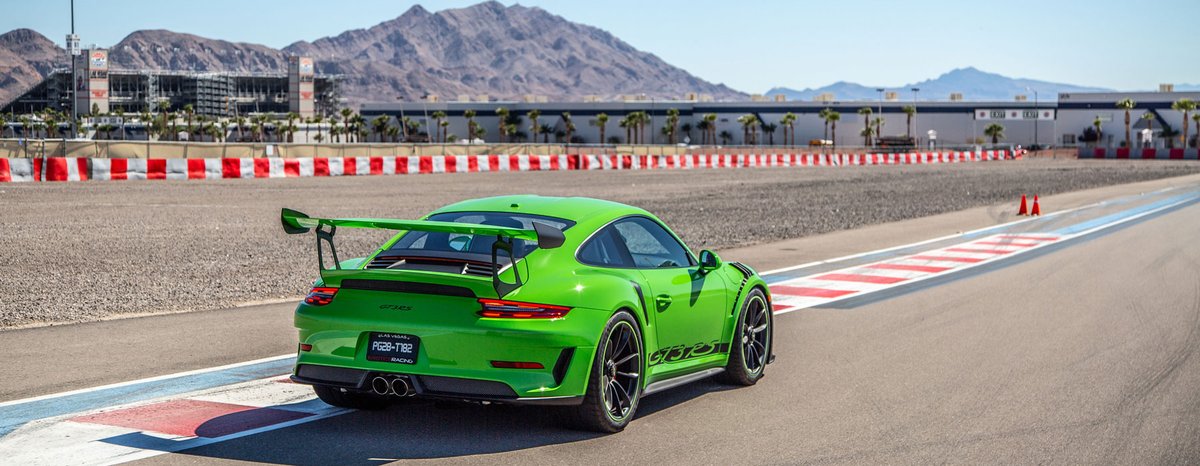
Forget everything you thought you knew about electric cars. The conversation around EV Performance, Range, and Driving Experience isn't just about zero emissions anymore; it's about a fundamental shift in what a car can be. From the instant thrill of acceleration to the surprisingly complex world of how far you can drive, EVs are rewriting the rules, often surpassing their gasoline counterparts in sheer driving pleasure and technological sophistication.
At a Glance: What You Need to Know About EVs
- Performance: Experience rapid acceleration thanks to instant torque and precise handling from a low center of gravity. Enjoy a remarkably quiet and smooth ride.
- Range Basics: How far an EV can travel on a single charge, determined by battery capacity, vehicle efficiency, and driving conditions.
- Efficiency Matters: Key factors like motor efficiency, regenerative braking, and aerodynamics determine how effectively an EV uses its stored energy.
- The Range Gap: Advertised range can differ from real-world performance due to temperature, driving habits, terrain, and even tire choice.
- Flexible Options: Plug-in Hybrids (PHEVs) and Range-Extended EVs (REEVs) offer alternatives for those with range anxiety or limited charging access.
- The Future is Longer and Faster: Expect ranges of 800 km, faster charging with solid-state batteries, and smarter energy management systems like V2G.
The Electric Thrill: Unpacking EV Performance and Driving Experience
Step into an electric vehicle, and the first thing you notice might be the silence. But turn the key (or push the button), and the silence gives way to an immediate, visceral response that's distinctly different from any internal combustion engine (ICE) car you've ever driven. This isn't just a car; it's a recalibration of what driving feels like.
Instant Torque and Effortless Acceleration
One of the most defining characteristics of an EV is its instant torque. Unlike a gasoline engine, which needs to rev up to generate power, an electric motor delivers 100% of its torque from a standstill. This translates to exhilarating, neck-snapping acceleration. That swift 0-60 mph time you hear about? It’s not just for performance models anymore; even everyday EVs can deliver rapid take-offs that surprise seasoned drivers. Imagine pulling away from a traffic light with a smooth, powerful surge, leaving most conventional cars in your dust – that's the EV experience. It's not just about speed; it's about the responsiveness and effortlessness of power delivery, making highway merging and overtaking a breeze.
Glued to the Road: Handling and Stability
The architecture of an EV plays a crucial role in its superior handling. The heavy battery pack, often spanning the entire floor of the vehicle, creates a remarkably low center of gravity. Think about it: instead of a bulky engine high up front, you have dense mass spread evenly and low down. This design significantly enhances stability, reduces body roll in corners, and makes the car feel incredibly planted. You'll often find EVs exhibiting precise, agile handling that belies their weight, offering a confident and engaging driving dynamic, whether you're navigating city streets or carving through winding roads.
The Quiet Revolution: A Serene and Smooth Ride
Perhaps the most universally praised aspect of the EV driving experience is the quietness. Without the rumble of an engine, the whine of a gearbox, or the vibrations of combustion, the cabin becomes an oasis of calm. Wind noise and tire noise become more noticeable, forcing manufacturers to innovate in sound insulation and aerodynamics, but the underlying serenity is profound. This quietness, combined with the smooth, linear power delivery of the electric motor, contributes to a remarkably refined and comfortable ride quality. It's less stressful in traffic, more relaxing on long journeys, and allows for clearer conversations or a more immersive audio experience. This superior ride quality fundamentally changes the perception of luxury and comfort in a vehicle.
Demystifying EV Range: What It Really Means
"How far can it go?" is often the first question people ask about an EV. EV Range refers to the total distance an electric vehicle can travel on a single, full battery charge. It's the equivalent of "miles per gallon" for a gasoline car, but with its own set of unique influencing factors. Understanding these factors is key to choosing the right EV and managing your expectations.
The Three Pillars of EV Range
An EV's range isn't a static number. It's a dynamic figure influenced primarily by three interconnected pillars:
- Battery Capacity: This is the most straightforward factor. Measured in kilowatt-hours (kWh), battery capacity dictates how much energy your EV can store. Simply put, a larger battery (higher kWh) generally means a longer driving range, all else being equal. Think of it like the size of your fuel tank; a bigger tank holds more fuel.
- Efficiency: This pillar describes how effectively your EV uses the stored energy to move the vehicle. An efficient EV can travel farther on the same amount of charge compared to a less efficient one. This is where engineering brilliance comes into play, from motor design to aerodynamics.
- Driving Conditions: This is perhaps the most variable and often misunderstood factor. Your real-world range can fluctuate significantly based on external elements and your personal driving style.
Diving Deeper into EV Efficiency
Efficiency isn't just about the battery; it's about the entire vehicle system:
- Electric Motor Efficiency: Modern electric motors are incredibly efficient at converting electrical energy into mechanical energy that turns the wheels. Ongoing advancements aim to make them even more so, reducing energy loss as heat.
- Regenerative Braking: This is a superpower unique to EVs. When you lift your foot off the accelerator or apply the brakes, the electric motor reverses its function, acting as a generator. It captures kinetic energy that would otherwise be lost as heat and converts it back into electricity, sending it to recharge the battery. This "regen" braking significantly enhances efficiency, especially in stop-and-go city driving. It's like having a tiny power plant built into your brakes!
- Aerodynamics: Air resistance is a major drag on efficiency, particularly at higher speeds. EV designers meticulously sculpt vehicle bodies to reduce drag coefficients, allowing the car to slip through the air with less effort. Sleek designs, flush door handles, and even optimized wheel designs all contribute to boosting efficiency and extending range.
The Impact of Driving Conditions on Range
Imagine driving your gasoline car; you know that aggressive acceleration and high speeds burn more fuel. EVs are no different, but with some unique twists:
- Weather and Temperature: This is a big one. Cold weather significantly impacts battery performance, reducing its capacity and overall range. Just as your phone battery drains faster in the cold, so does an EV battery. Heating the cabin also draws considerable energy. Conversely, extreme heat (like desert climates) can also reduce range, increasing energy consumption for cooling the battery and cabin (up to a 20% drop in range has been observed).
- Terrain: Driving uphill requires more energy than driving on flat ground. While regenerative braking can recover some energy on the descent, hilly terrain generally reduces overall range.
- Driving Habits: Aggressive acceleration, hard braking (which reduces the effectiveness of regenerative braking), and consistently driving at high speeds will deplete your battery faster. Smooth, consistent driving, utilizing regenerative braking effectively, and maintaining moderate speeds are your best friends for maximizing range.
- Tire Choice: Even the tires you select can impact range. Low rolling resistance tires are designed to minimize friction with the road, thereby improving efficiency.
The Range Reality Gap: Advertised vs. Actual
It's a common refrain: "My EV doesn't get the range it promises." This persistent gap between advertised and actual EV range is a source of frustration for many new EV owners, but it's not a conspiracy; it's a complex interplay of the factors we just discussed.
Why the Numbers Don't Always Match
Manufacturer estimates are typically based on standardized testing cycles. In the US, this is the EPA (Environmental Protection Agency) rating, while in Europe, it's often the WLTP (Worldwide Harmonized Light Vehicles Test Procedure). These tests are performed under controlled laboratory conditions, designed to be consistent and comparable across different vehicles. However, they can only approximate real-world driving.
The problem arises because these tests often don't fully capture:
- Temperature Extremes: The tests usually don't account for driving in sub-zero temperatures or scorching heat, both of which significantly impact battery performance and HVAC energy consumption.
- Aggressive Driving: Standardized tests tend to simulate moderate driving styles, not aggressive acceleration, high-speed highway cruising, or frequent, heavy braking.
- Variable Terrain: Labs can't easily replicate mountainous roads or constant uphill climbs.
- Tire Specifics: While specific tires are used in testing, real-world drivers might opt for different tires that have varying impacts on rolling resistance.
Real-world data consistently shows that many drivers fall short of these EPA-rated ranges, leading to what's known as "range anxiety"—the fear of running out of charge before reaching a charging station. This anxiety can be a significant hurdle for broader EV adoption.
Industry advocates call for a unified global testing standard that incorporates a wider range of real-world scenarios, including varying temperatures and more diverse driving cycles, to improve transparency and comparability for consumers worldwide.
PHEVs and REEVs: Flexibility for the Range-Wary
For drivers particularly concerned about range uncertainties or those with limited charging infrastructure access, alternatives like Plug-in Hybrid Electric Vehicles (PHEVs) and Range-Extended EVs (REEVs) offer a compelling middle ground.
- Plug-in Hybrid Electric Vehicles (PHEVs): These vehicles combine an electric motor and battery with a traditional gasoline engine. They offer a short, all-electric range (typically 30–80 km or 20-50 miles), perfect for daily commutes, with the gasoline engine seamlessly taking over for longer journeys. This setup provides the best of both worlds, offering electric driving benefits without range anxiety, and can be a great stepping stone for those considering a full EV.
- Range-Extended EVs (REEVs): Similar to PHEVs, REEVs also feature a small gasoline engine. However, in an REEV, the gasoline engine does not directly power the wheels. Instead, its sole purpose is to act as a generator, recharging the battery when it runs low. This means the car is always propelled by the electric motor, offering a pure EV driving experience while eliminating range anxiety on long trips or where charging infrastructure is sparse.
These hybrid options cater to different needs, providing flexibility and addressing specific concerns about charging access and journey length.
Bridging the Gap: How Automakers and Drivers Can Win
The future of EVs hinges on closing the range reality gap. This requires a concerted effort from both manufacturers and drivers.
Engineering for the Real World
Automakers are tirelessly working to make their vehicles more robust and predictable in diverse conditions:
- More Efficient Powertrains: Continuous improvements in electric motor design, power electronics, and drivetrain efficiency mean more miles per kWh.
- Advanced Battery Performance: Engineers are developing batteries that perform better in extreme temperatures, maintain capacity longer, and integrate more sophisticated thermal management systems to optimize temperature (and thus range) in varying climates.
- Smarter Software and Prediction: Sophisticated algorithms are being developed to provide more accurate, real-time range estimates based on current driving style, terrain, traffic, and even weather forecasts. This means your car's range predictor will become much more trustworthy.
Transparency and Accuracy: Building Trust
Beyond engineering, transparency is crucial. Automakers need to:
- Provide More Realistic Range Estimates: While standardized tests are necessary, offering additional, context-specific range data (e.g., "Expected range in cold weather," "Highway cruising range") can empower consumers.
- Educate Drivers: Clearer communication about the factors affecting range and how drivers can maximize it can significantly reduce frustration.
Drivers: Mastering Your EV's Range
As a driver, you have considerable control over your real-world range:
- Embrace Regenerative Braking: Learn to "one-pedal drive" if your car supports it, using regenerative braking to slow down and recapture energy rather than relying solely on friction brakes.
- Moderate Your Speed: Aerodynamic drag increases exponentially with speed. Driving at 65 mph will yield significantly more range than driving at 80 mph.
- Pre-Condition Your Cabin: If your EV is plugged in, use the pre-conditioning feature to heat or cool the cabin while still connected to the grid. This uses grid electricity instead of battery power, preserving range for driving.
- Tire Pressure and Type: Keep your tires properly inflated, and consider low rolling resistance tires designed for EVs.
- Plan Your Route: Utilize in-car navigation or apps like A Better Routeplanner (ABRP) that consider elevation changes, charging stops, and even weather to give you a realistic range expectation for your journey.
Top Performers: Setting the Benchmark
While the range gap exists, some EV models consistently outperform their published ranges, setting benchmarks for accuracy and real-world usability:
- Tesla Model S and Model 3: These vehicles have often been praised for not only their impressive range but also their ability to meet or even exceed their EPA ratings in real-world driving, especially under favorable conditions.
- Ford Mustang Mach-E: Ford's electric SUV has also proven to be a strong performer, often delivering reliable range estimates that align closely with driver experiences.
- Hyundai Kona Electric: This compact EV is another example of a vehicle that provides dependable range performance, making it a popular choice for efficiency-conscious drivers.
These vehicles demonstrate that it is possible to offer accurate and trustworthy range estimates, fostering greater confidence and satisfaction among EV owners.
The Horizon: Future Innovations in EV Performance and Range
The EV revolution is still in its early chapters. The advancements on the horizon promise to further blur the lines between electric and gasoline vehicles, potentially making range anxiety a relic of the past.
Longer Ranges and Faster Charging
Current projections suggest that within the next decade, longer ranges will become the norm, with some EVs potentially achieving up to 800 km (nearly 500 miles) on a single charge. This would comfortably exceed the average range of many gasoline vehicles, opening up virtually unlimited possibilities for long-distance travel.
Beyond range, charging speed is also set for a dramatic overhaul. Imagine pulling up to a charging station and getting a significant top-up in the time it takes to grab a coffee, not an entire meal.
The Game-Changer: Solid-State Batteries
The holy grail of battery technology is solid-state batteries. Unlike current lithium-ion batteries that use liquid electrolytes, solid-state batteries use a solid material. This seemingly minor change brings enormous benefits:
- Higher Energy Density: They can store significantly more energy in a smaller, lighter package, directly translating to longer ranges without increasing battery size or weight.
- Faster Charging: The solid electrolyte allows for much quicker charging times, potentially reducing a full charge to mere minutes.
- Improved Safety: Solid-state batteries are less prone to overheating and fire risks.
- Longer Lifespan: They tend to degrade slower over time, offering a longer operational life for the vehicle.
While still largely in the research and development phase, solid-state batteries promise to be a transformative technology that could truly make EVs competitive for every type of driver and journey.
Smarter Infrastructure and Energy Management
The future isn't just about the car; it's about the ecosystem around it:
- Vehicle-to-Grid (V2G) Systems: This groundbreaking technology allows your EV to not only draw power from the grid but also feed excess electricity back into it during peak demand or even power your home during an outage. Imagine your EV acting as a giant mobile battery pack, balancing the grid and saving you money.
- Improved Charging Infrastructure: The expansion of fast and ultra-fast charging networks, along with ubiquitous Level 2 chargers in homes and workplaces, will make charging as convenient as (or more convenient than) refueling a gas car. Seamless payment systems and reliable charger functionality will be key.
- Advanced AI and Software: EVs will become even smarter, with predictive range estimation that learns your driving habits, real-time traffic-aware routing, and intelligent battery management systems that optimize performance and longevity.
Your Next Drive: Practical Takeaways for EV Owners and Shoppers
The evolution of EV performance, range, and driving experience is undeniable. For prospective buyers and current owners, understanding these dynamics means making informed choices and maximizing your EV's potential.
For the Shopper: What to Prioritize
When considering an EV, look beyond the headline range number:
- Assess Your Daily Needs: How many miles do you actually drive in a day or week? For most commuters, even mid-range EVs offer more than enough.
- Consider Charging Access: Do you have home charging? Will you rely on public infrastructure? This influences your range requirements.
- Factor in Climate: If you live in an area with extreme cold or heat, budget for a slight reduction in real-world range compared to the advertised number.
- Look for Efficiency Ratings: Compare kWh/100 miles (or MPGe) to understand how efficiently different models convert electricity into motion.
- Test Drive Experience: Pay attention to the instant torque, the quietness, and how the car feels. This "driving experience" might be what truly sells you.
For the Owner: Maximizing Your EV's Potential
Already an EV owner? Empower yourself to get the most out of your vehicle:
- Master Regenerative Braking: Practice smooth acceleration and deceleration to maximize energy recapture.
- Optimize Cabin Climate: Use seat heaters and steering wheel heaters (if available) as they are far more energy-efficient than heating the entire cabin. Pre-condition your car while plugged in.
- Check Tire Pressure Regularly: Properly inflated tires are crucial for efficiency.
- Drive Smart: Avoid sudden acceleration and high speeds whenever possible. Think of your energy gauge like a game—how efficiently can you play?
- Use Route Planners: For longer trips, leverage EV-specific navigation tools that factor in charging stops and range estimations.
Matching advertised ranges with real-world performance, by considering battery technology, climate effects, and actual driving behavior, will build trust and accelerate EV adoption. The future of driving is here, and it's exhilarating, efficient, and increasingly stress-free. So, is an EV right for you? It's a question worth exploring, especially as the technology continues to evolve at breakneck speed. To dive deeper into the overall value proposition, you might want to consider are electric cars worth it? in today's rapidly changing automotive landscape.